

Canadian Statistical Sciences Institute
Meet Our People
CANSSI is a collaborative effort between institutions, researchers and thought leaders. With a shared vision for developing statistical sciences, it’s the people who are the heart and soul of CANSSI.
Directorate
The Directorate is responsible for managing the day-to-day operations of CANSSI. Members of the Directorate oversee programs, develop new initiatives, and make funding recommendations for workshops requesting less than $20,000.
Members include:
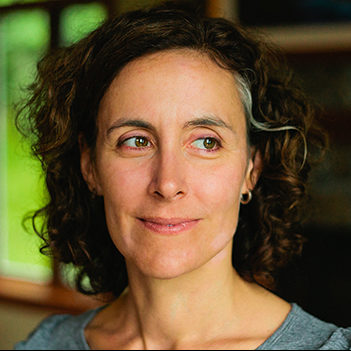
Andrea Benedetti | Deputy Director
Deputy Director
McGill University
andrea.benedetti@mcgill.ca
Andrea Benedetti is an Associate Professor, jointly appointed in the departments of Medicine and Epidemiology, Biostatistics & Occupational Health at McGill University.
She is primarily interested in the statistical challenges related to individual patient data meta-analysis. Andrea is a CIHR-funded biostatistician, and an author on more than 150 peer-reviewed publications.
She co-directs the DEPRESSD Project. This group has collected data from across the globe and used it to provide evidence-based information on the diagnostic accuracy of commonly-used depression screening tools. Andrea is supported by a Chercheur Boursier award from the FRQS.
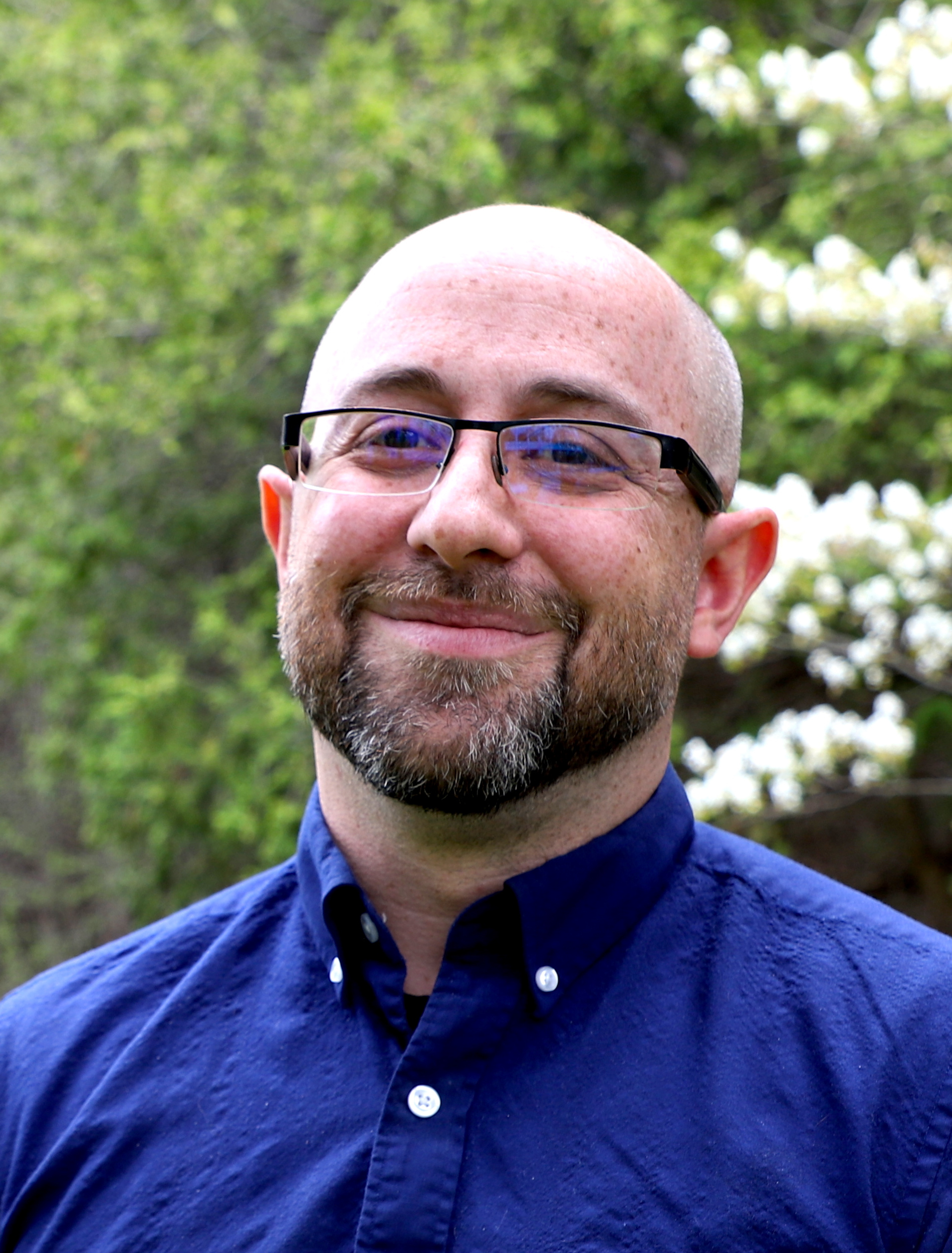
Wesley Burr | Associate Director, Smaller Institutions
Associate Director Representing Smaller Institutions
Trent University
wesleyburr@trentu.ca
Wesley Burr is is an Associate Professor of Statistics (and Chair of Department) in the Department of Mathematics at Trent University in Peterborough, Ontario.
Wesley received a BScEng in Mathematics and Engineering in 2005 from Queen’s University in Kingston, Ontario, and a PhD in Statistics in 2012 from the same institution, working under David J. Thomson. He was a postdoctoral fellow at Queen’s University from January to May 2013 and then held a Visiting Fellowship at Health Canada from June 2013 to March 2016.
His research focuses on problems at the intersection of time series analysis, spectrum estimation, and modelling, with current research focused on problems coming from environmental epidemiology. He is grateful for funding from both NSERC’s Discovery Grant program and federal agencies Health Canada, Agriculture and Agrifood Canada, and Natural Resources Canada.
Donald Estep | Director
Director
Simon Fraser University
donald_estep@sfu.ca
Donald Estep is the Director of CANSSI. He joined the Department of Statistics and Actuarial Science as Canada Research Chair in Computational Probability and Uncertainty Quantification at Simon Fraser University. He moved from the Department of Statistics at Colorado State University, where he was Department Chair, University Distinguished Professor and University Interdisciplinary Research Scholar.
His research interests include uncertainty quantification for complex physics models, stochastic inverse problems, adaptive computation, and modeling of multiscale systems. Working with his collaborators, he has developed a systematic approach to a posteriori error estimation for simulations of complex systems, efficient numerical methods for uncertainty quantification for physical models, and theory and solution of inverse problems for stochastic parameters in physical models.
His application interests include ecology, materials science, detection of black holes, modeling of fusion reaction, analysis of nuclear fuels, hurricane wave forecasting, flow in porous media, and electromagnetic scattering. His research has been supported by multiple government agencies and national laboratories.
Don has served on several scientific advisory panels for the U.S. National Science Foundation and Department of Energy and on the Sandia National Laboratories CISE External Review Board and has co-authored several reports. He has served as the (founding) Chair of the SIAM Activity Group on Uncertainty Quantification, (founding) Co-Editor in Chief of the SIAM/ASA Journal on Uncertainty Quantification, and as SIAM representative to the Governing Board of SAMSI.
His awards include Fellow of the Society for Industrial and Applied Mathematics, the Computational and Mathematical Methods in Sciences and Engineering (CMMSE) Prize, and the Chalmers Jubilee Professorship of Chalmers University of Technology.
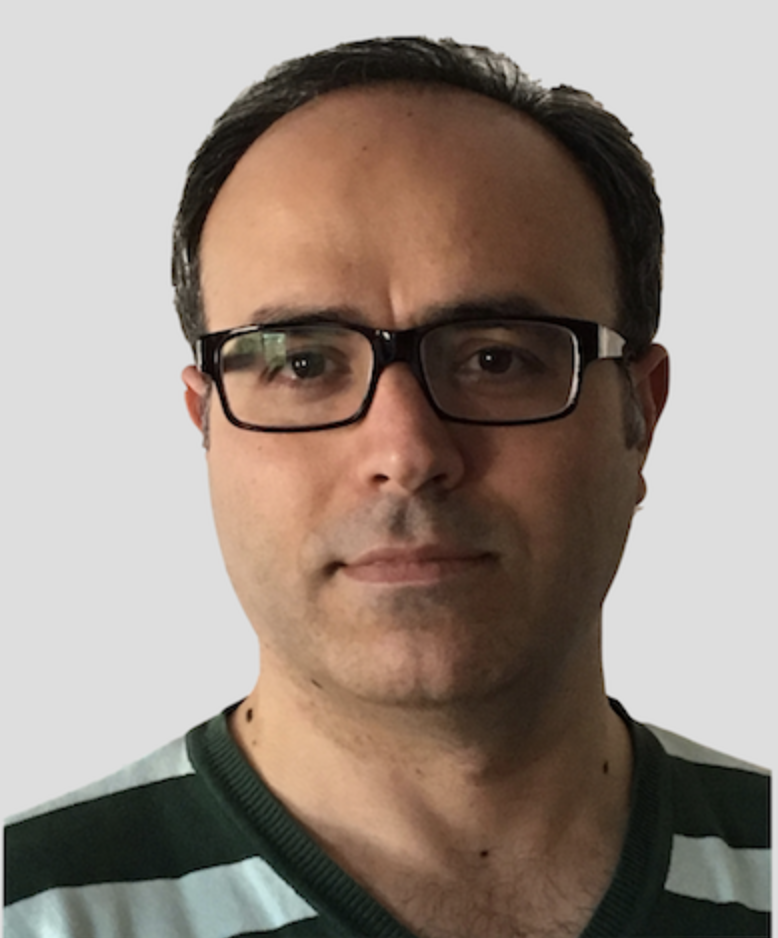
Mohammad Jafari Jozani | Associate Director, Prairies
Associate Director Representing Prairies
University of Manitoba
M_Jafari_Jozani@umanitoba.ca
Mohammad Jafari Jozani is currently an Associate Professor with the Department of Statistics and an adjunct professor of Biomedical Engineering at the University of Manitoba in Winnipeg.
His current research involves statistical learning problems with high dimensional aspects in biostatistics, engineering and sustainable energy; small area estimation as well as statistical inference with complex sampling designs using order statistics and rank information. The focal point of his research program is on developing new methodologies, models and computational tools to solve data driven problems in a variety of application domains.
He has applied his research in areas such as breast cancer studies, BMD analysis and osteoporosis, mercury contamination in fish bodies, and recently in the calibration problems to design simulators for training purposes in order to make surgeries safer.
Lisa J. Strug | Associate Director, Ontario

Associate Director Representing Ontario
University of Toronto
lisa.strug@utoronto.ca
Lisa J. Strug is a Senior Scientist at the Research Institute of The Hospital for Sick Children and is an Associate Professor in the Department of Statistical Sciences and the Division of Biostatistics at the University of Toronto.
She is the Associate Director of The Centre for Applied Genomics, a federally funded Toronto-based genome centre and one of three centres contributing to a national platform providing genome sequencing and analysis services in Canada and Internationally. Her research has focused on statistical genetics and genomics, on the foundations of statistics and on their intersection.
She is the associate editor and statistical genetics editor of npj Genomic Medicine and is the Tier 1 Canada Research Chair in Genome Data Sciences.
Denis Talbot, Associate Director, Quebec
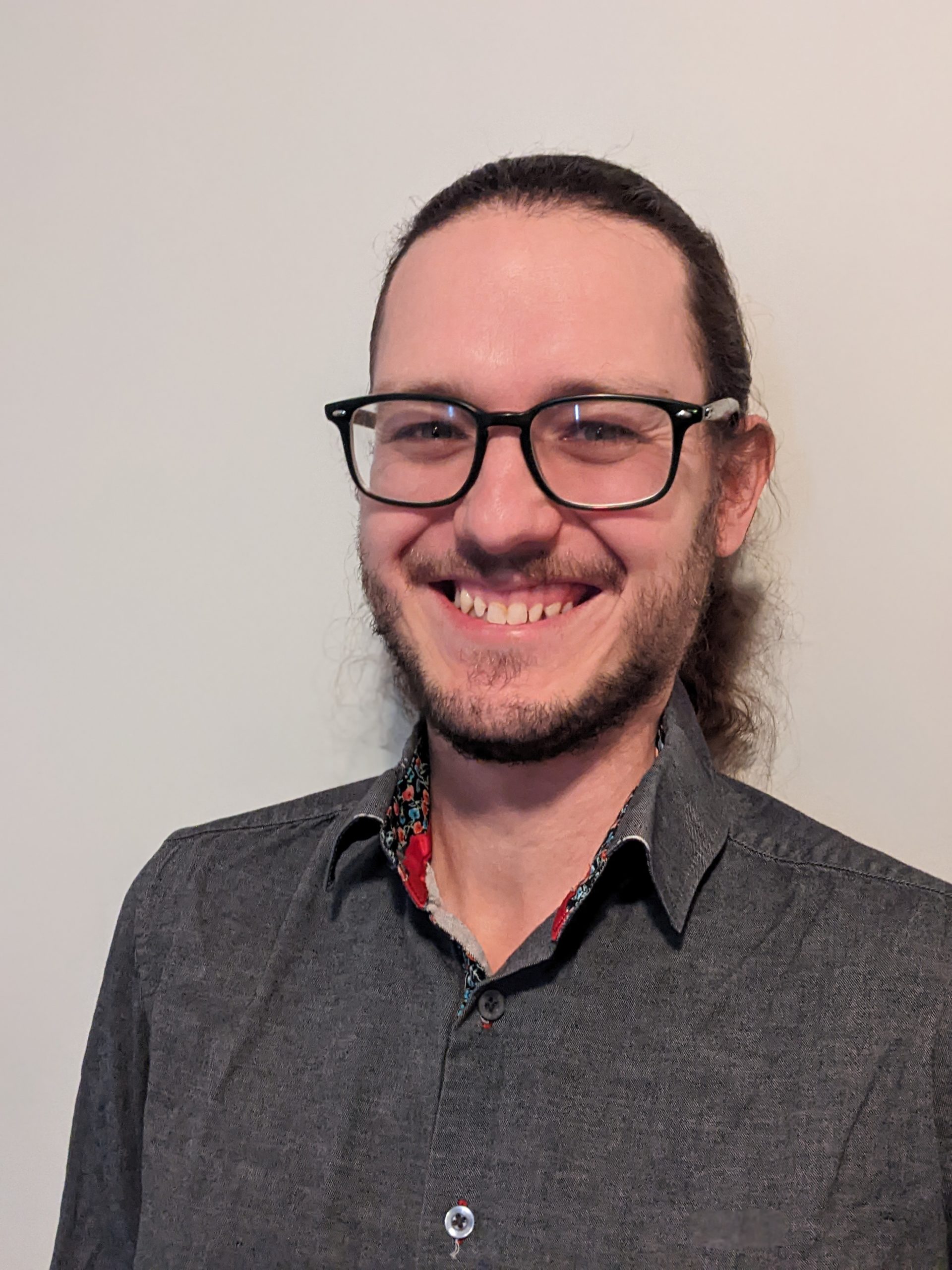
Associate Director Representing Quebec
Université Laval
denis.talbot@fmed.ulaval.ca
Denis Talbot is a professor in the Department of Social and Preventive Medicine at Université Laval. He participated in the creation of the graduate programs in biostatistics there. He was elected as a regional representative for Quebec at the Statistical Society of Canada (SSC) in 2021 for a two-year term and is also a member of the bilingualism committee and the membership committee of the SSC.
His research interests concern causal inference methods for the analysis of observational data. He is also doing collaborative work in various areas including psychosocial stressors at work, vaccine effectiveness, cardiovascular health, and cancer. His program of research has been supported by grants from NSERC, CIHR and by research-career awards from the Fonds de recherche du Québec – Santé.
Lang Wu, Associate Director, Alberta, British Columbia, Yukon
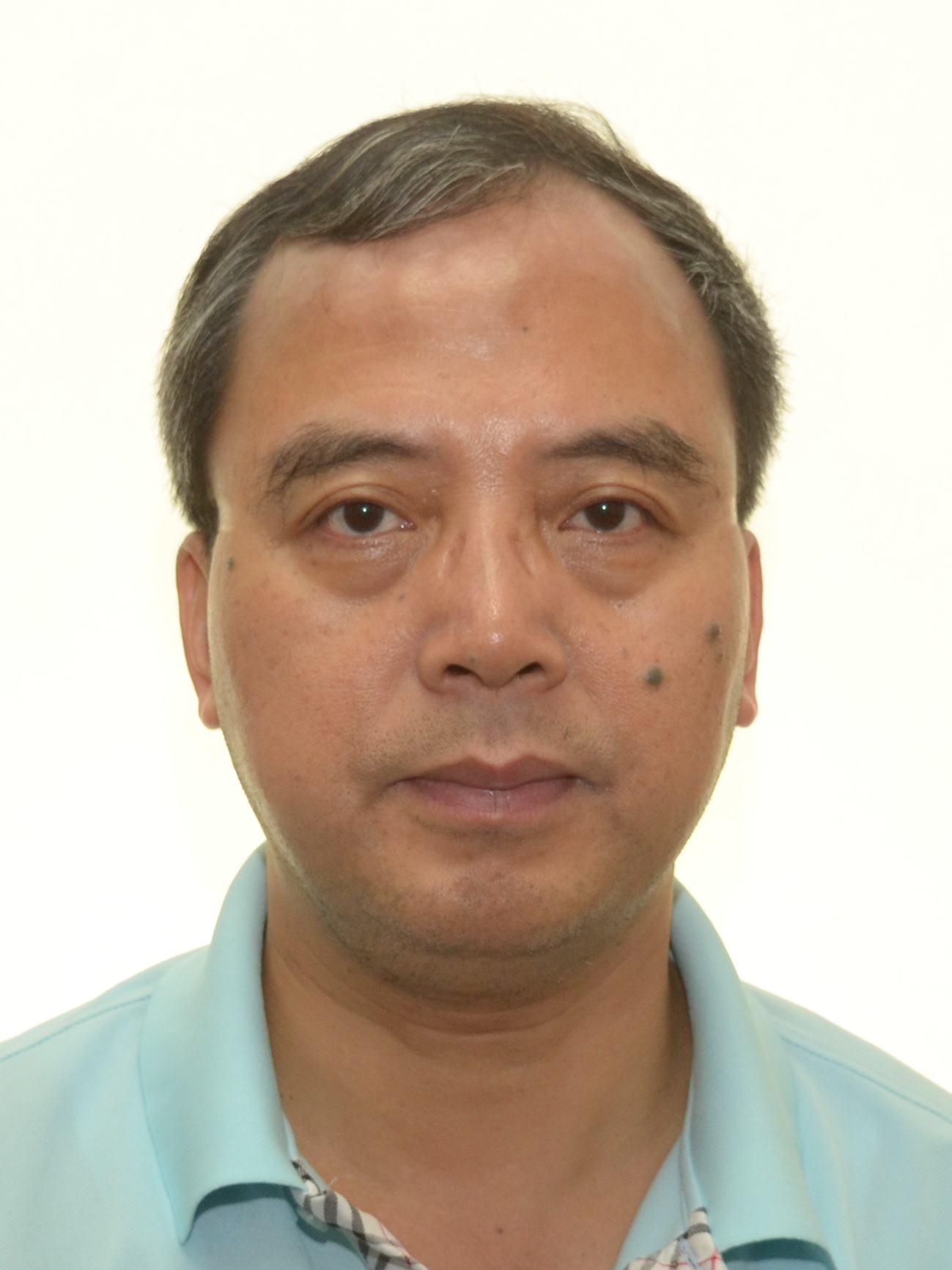
Associate Director Representing Alberta, British Columbia, Yukon
University of British Columbia
lang@stat.ubc.ca
Lang Wu is a Professor in the Department of Statistics at the University of British Columbia in Vancouver. He holds a PhD in Statistics from the University of Washington in Seattle.
His research has focused on analysis of longitudinal data based on mixed effects models, joint modelling longitudinal and survival data, missing data and measurement errors, and order-restricted hypothesis testing. He has applied his research in HIV/AIDS studies, cancer studies, and other health-related areas.
Yildiz Yilmaz | Associate Director, Atlantic Canada
Associate Director Representing Atlantic Canada
Memorial University of Newfoundland
yyilmaz@mun.ca
Yildiz Yilmaz is an Associate Professor and Deputy Head, Statistics, in the Department of Mathematics and Statistics at Memorial University in St. John’s, Newfoundland and Labrador. She joined the department in 2013 after completing her PhD at the University of Waterloo in 2009 and working as a postdoctoral fellow at the Lunenfeld-Tanenbaum Research Institute of Mount Sinai Hospital and the Dalla Lana School of Public Health, University of Toronto, between 2009 and 2013.
Her research interests are in the areas of statistical theory and methodology, and in statistical methods in biostatistics and statistical genetics. In particular, her work focuses on survival analysis, event history analysis, multivariate modeling and analysis, causal inference, incomplete data analysis and response-selective sampling. Her work has been motivated by important problems in biomedicine and genetics.
She currently has the following research programs within the field of statistics, genetic epidemiology and statistical genetics: (1) development and application of novel methods to model time-to-event phenotypes in genome-wide prognosis studies; (2) development and application of novel genetic association methods based on joint models and directional models of multiple phenotypes; (3) evaluation of designs and statistical methods under response-dependent sampling; and (4) development of methods to model multivariate survival times.
Board of Governors
The Board of Governors is responsible for overseeing all of CANSSI’s activities. This includes approving the appointment of the Director and the Deputy Director, and advising on strategic planning and governance. Board members also participate on a number of sub-committees.
The Board meets four times a year. The voting members are representatives of the scientific and stakeholder communities. Elections for the Board take place at the Annual General Meeting.
Members include:
Ejaz Ahmed

Member-at-large
Term ends: June 30, 2027
Dr. S. Ejaz Ahmed is a Professor of Statistics/Data Science at Brock University. He also served as Dean of the Faculty of Mathematics and Science at Brock. Professor Ahmed is an internationally known scholar and educator and an accomplished researcher. His research interests concentrate on big data, predictive modelling, and statistical machine learning with applications in many walks of life. His research has been supported by a variety of grants from the Natural Sciences and Engineering Research Council (NSERC) of Canada since 1987, the Canadian Institutes of Health Research, the Ontario Centres for Excellence (OCE) and other international sources.
He was awarded the prestigious Bualuang ASEAN Chair Professorship. His paper entitled “Nonparametric Regression Estimates based on Imputation Techniques for Right-Censored Data” received the Grand Prize Advancement Award of the International Society of Management Science and Engineering Management. Further, his research achievements have been recognized with honours and awards, editor/associate editorships to scientific journals, adjunct/visiting professorships, and invited scholarly talks around the globe. He founded a prestigious international workshop on High Dimensional Data Analysis.
Professor Ahmed is a Fellow of the American Statistical Association, an elected member of the International Statistical Institute, and a Fellow of the Royal Statistical Society.
He was a member of the Board of Directors of the Statistical Society of Canada and Chair of its Education Committee, and also served as Vice President of Communications for the International Society for Business and Industrial Statistics. He was a member of the Discovery Grants Evaluation Group and the Grant Selection Committee of the Natural Sciences and Engineering Research Council of Canada.
Professor Ahmed has authored several books and edited/co-edited several volumes and special issues of scientific journals. He has been the Technometrics Review Editor for the past 10 years. He has supervised more than 25 PhD students and a number of postdoctoral fellows, international scholars, and visiting international students.
Donald Estep
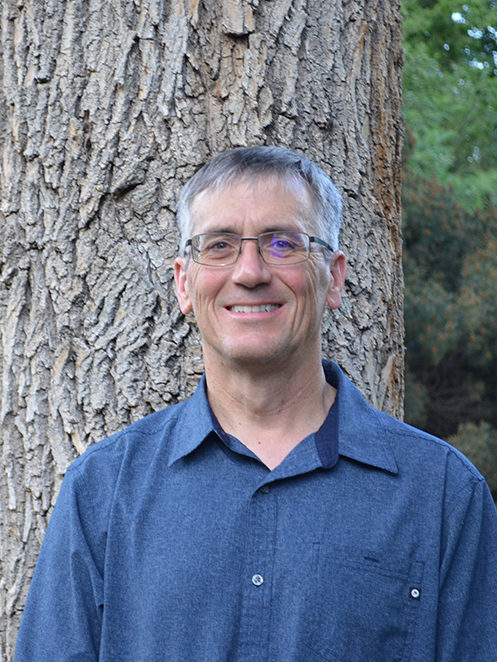
Director
Simon Fraser University
donald_estep@sfu.ca
Ex officio
Donald Estep is the Director of CANSSI. He joined the Department of Statistics and Actuarial Science as Canada Research Chair in Computational Probability and Uncertainty Quantification at Simon Fraser University. He moved from the Department of Statistics at Colorado State University, where he was Department Chair, University Distinguished Professor and University Interdisciplinary Research Scholar.
His research interests include uncertainty quantification for complex physics models, stochastic inverse problems, adaptive computation, and modeling of multiscale systems. Working with his collaborators, he has developed a systematic approach to a posteriori error estimation for simulations of complex systems, efficient numerical methods for uncertainty quantification for physical models, and theory and solution of inverse problems for stochastic parameters in physical models.
His application interests include ecology, materials science, detection of black holes, modeling of fusion reaction, analysis of nuclear fuels, hurricane wave forecasting, flow in porous media, and electromagnetic scattering. His research has been supported by multiple government agencies and national laboratories.
Don has served on several scientific advisory panels for the U.S. National Science Foundation and Department of Energy and on the Sandia National Laboratories CISE External Review Board and has co-authored several reports. He has served as the (founding) Chair of the SIAM Activity Group on Uncertainty Quantification, (founding) Co-Editor in Chief of the SIAM/ASA Journal on Uncertainty Quantification, and as SIAM representative to the Governing Board of SAMSI.
His awards include Fellow of the Society for Industrial and Applied Mathematics, the Computational and Mathematical Methods in Sciences and Engineering (CMMSE) Prize, and the Chalmers Jubilee Professorship of Chalmers University of Technology.
Sujit Ghosh
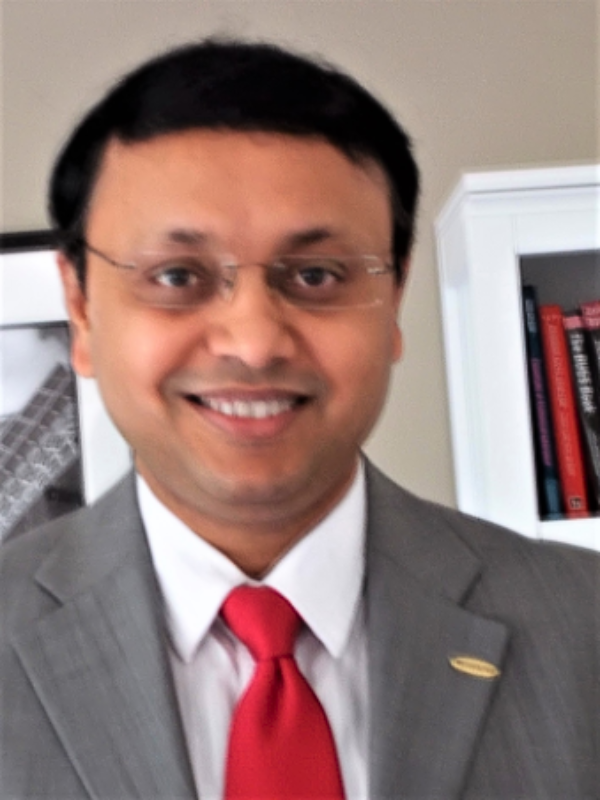
Member-at-large
Term ends: June 30, 2027
Professor Sujit Kumar Ghosh is currently a Professor in the Department of Statistics at North Carolina State University (NC State). He has over 30 years of experience in conducting, applying, evaluating and documenting statistical analysis of biomedical and environmental data. He has supervised over 48 doctoral graduate students and published over 145 refereed journal articles in the various areas of statistics with applications in biomedical and environmental sciences, econometrics and engineering. He was awarded the D.D. Mason Faculty Award in 2023 and the Cavell Brownie Mentoring Award in 2014 by the Statistics department at NC State. In recent years, he has served as the Deputy Director at the Statistical and Applied Mathematical Sciences Institute (SAMSI) during 2014–2017; a member of the CANSSI Scientific Advisory Committee during 2021–2023; and the interim Department Head of Statistics at NC State during 2022–2023. In 2024, he was appointed to the Board of Trustees and Member of the NISS Corporation by the President of the Triangle Universities Center for Advanced Studies Inc. (TUCASI) for a term of two years.
David Haziza
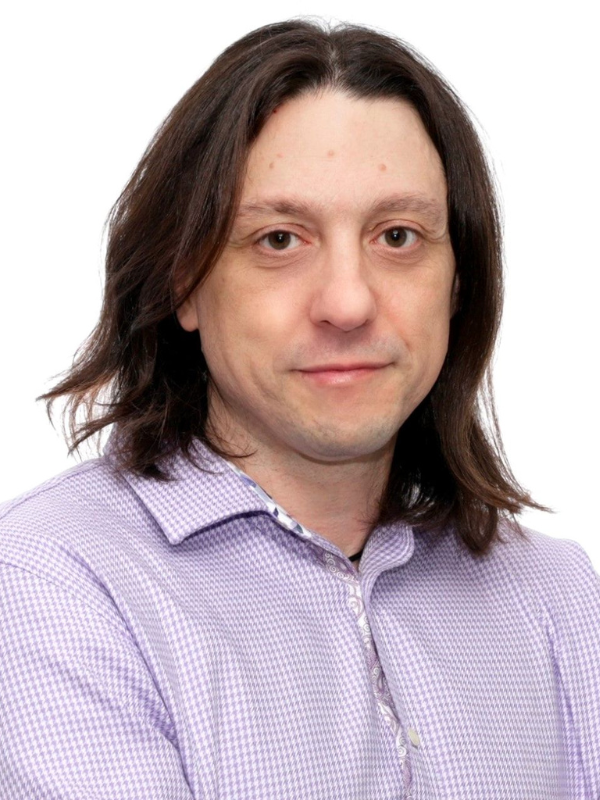
Member-at-large
Term ends: June 30, 2028
David Haziza is a Professor in the Department of Mathematics and Statistics at the University of Ottawa.
He is interested in the theory and application of survey sampling. His research interests include inference in the presence of missing data, inference in the presence of influential units, resampling methods, and machine learning methods.
He serves as an Associate Editor of several journals, including the Journal of the American Statistical Association and the Canadian Journal of Statistics, and has led two CANSSI Collaborative Research Teams.
Aurélie Labbe
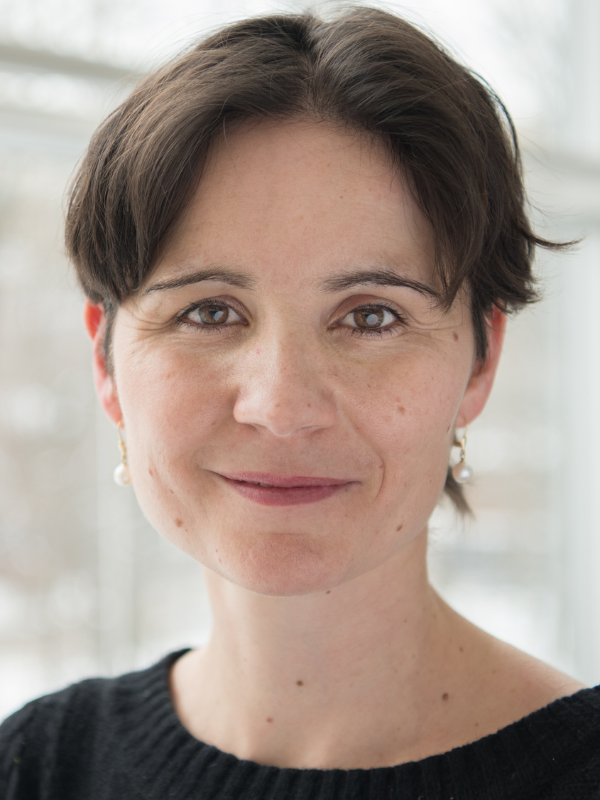
Member-at-large
Term ends: June 30, 2028
Aurélie Labbe is a professor in the Department of Decision Sciences at HEC Montréal. She specializes in large-scale data analysis. With a master’s degree in Statistics from Université de Montréal and a PhD in the same discipline from the University of Waterloo, she has spent over 15 years developing statistical tools for big data with applications in the fields of genomics, neuroscience, and biostatistics. Since joining HEC Montréal in 2016, her research interests have largely focused on the analytical challenges generated by data from intelligent transportation systems. In 2023, she was appointed Scientific Co-Director – Academic Partnerships of IVADO, a large research consortium in artificial intelligence.
Xuewen Lu
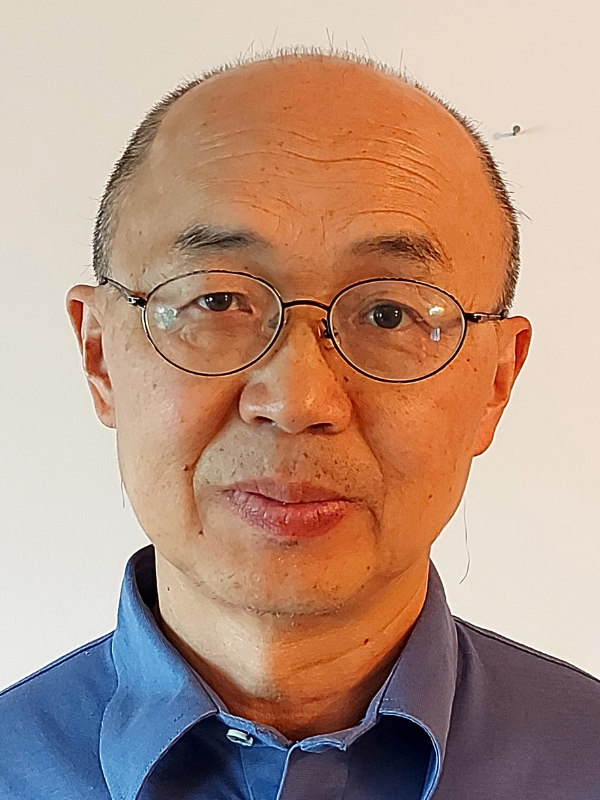
Member-at-large
Term ends: June 30, 2028
Xuewen Lu is a Professor in the Department of Mathematics and Statistics at the University of Calgary.
Dr. Lu’s research encompasses big data and high-dimensional data analysis, variable selection methods, machine learning and deep learning methods, semiparametric and nonparametric models, dimension reduction methods, data mining and statistical computing, biostatistics, empirical likelihood, survival analysis, reliability theory, and generalized linear/additive and mixed models.
Michael McIsaac

Member-at-large
Term ends: June 30, 2028
Dr. Michael McIsaac is a Professor in the School of Mathematical and Computational Sciences at the University of Prince Edward Island.
Dr. McIsaac’s research interests include the development and application of statistical methods for health studies. Dr. McIsaac works collaboratively with physicians and epidemiologists in the design and analysis of studies related to, among other things, cancer, rheumatology, vasculitis, retinal diseases, dental readiness, adolescent health, and mental health. His specific areas of interest include statistical methods for efficient two-phase study designs and for the analysis of incomplete data. Dr. McIsaac is affiliated with the Health Behaviour in School-aged Children Study and the PEI Mental Well-Being Research Advisory Table.
Dr. McIsaac is very interested in Statistics education and pedagogy; he often participates in conferences and workshops on Statistics education and earned a Certificate in University Teaching from the University of Waterloo’s Centre for Teaching Excellence. He is also actively involved in service to the international Statistics community. He has been a regional representative on the Board of the Statistical Society of Canada (SSC) for both Ontario and the Atlantic Region, and has previously served as a member of the Eastern North American Region of the International Biometric Society (ENAR)’s Council for Emerging and New Statisticians (CENS), as a member of the steering committee for CENS, as the chair of the Statistical Society of Canada’s Committee on New Investigators, and as a member of the SSC’s Census At School Canada Committee.
Sastry Pantula
Member-at-large
Term ends: June 30, 2027
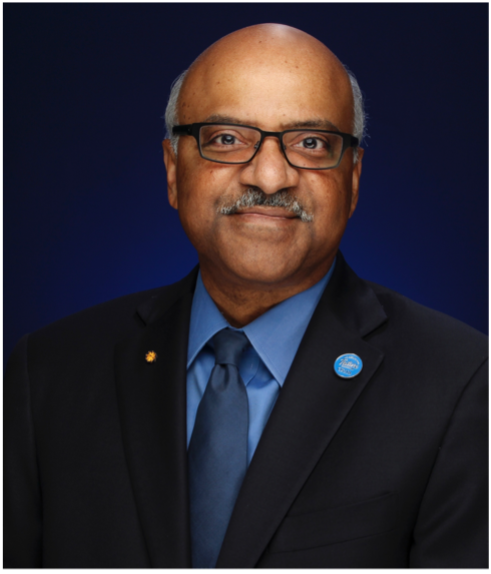
Sastry G. Pantula, Dean of the College of Natural Sciences at California State University- San Bernardino, is nationally and internationally recognized as a leader in statistical sciences. Most recently, he has served as the Director of Data Analytics programs at Oregon State University (OSU).
He has also served as the Dean of the College of Science for four years at OSU from August 2013 to August 2017, after serving a three-year term as the Director for the Division of Mathematical Sciences at the National Science Foundation.
Sastry spent more than 30 years as a statistics professor at North Carolina State University (NCSU), where he began his academic career in 1982. At NCSU, he also served as the Director of Graduate Programs (1994-2002) and the Head of the Department of Statistics (2002-2010).
He has been a leader in graduate education, developing partnerships with industry, including GlaxoSmithKline, Eli Lilly, Merck and SAS to increase graduate traineeships and fellowships.
In all of his administrative roles, he has focused on enhancing the quality, quantity and diversity within the department, the division and the college. His core values are excellence, diversity and harmony: strive for excellence, enhance diversity and foster harmony.
Sastry is a Fellow of the American Association for the Advancement of Science (AAAS) and the American Statistical Association (ASA). He served as ASA president in 2010 and received the ASA Founders Award in 2014.
Jamie Stafford
Member-at-large
Term ends: June 30, 2027
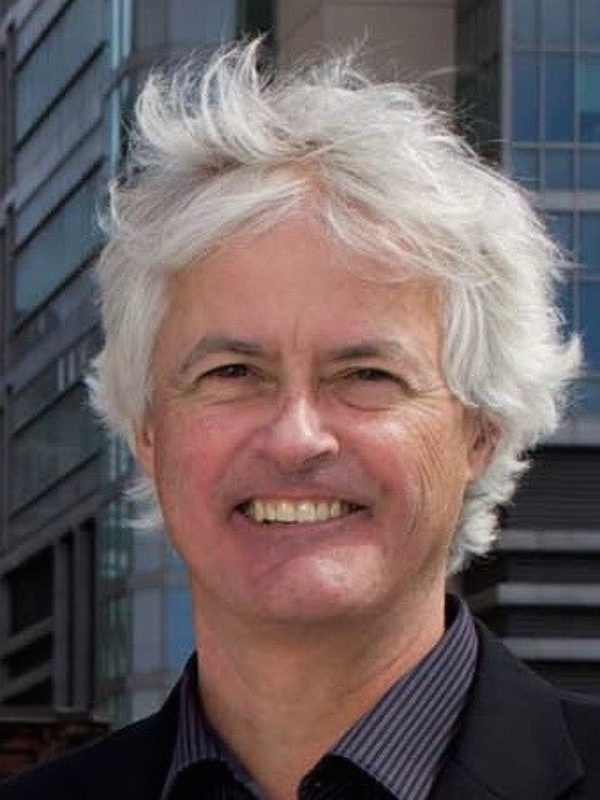
Jamie Stafford joined the University of Toronto in 1999 as an associate professor in the Department of Public Health Sciences and became a full professor in 2005. He has held Visiting Professor positions at the University of Chicago, Stanford University and École Polytechnique Fédérale de Lausanne. He is a recipient of the Premier’s Research Excellence Award and recently received the Distinguished Service Award from the Statistical Society of Canada for his enthusiastic and dynamic leadership in statistical science across Canada—including serving as the Director of the National Program on Complex Data Structures.
His research focus is in asymptotics, symbolic computation and spatio-temporal methods. He recently developed a research program in spatial data analysis with a special emphasis on local smoothing methods applied to non-standard and complex data.
At the University of Toronto, Professor Stafford served as Associate, Acting and then Interim Chair of the Department of Public Health Sciences in the Faculty of Medicine. He was Chair of the Department of Statistical Sciences from 2008 to 2018 and led the department through a remarkable period of expansion. He currently holds an appointment in the Department of Statistical Sciences and the Dalla Lana School of Public Health.
Beatrice Baribeau
Term: July 1, 2026 – June 30, 2029
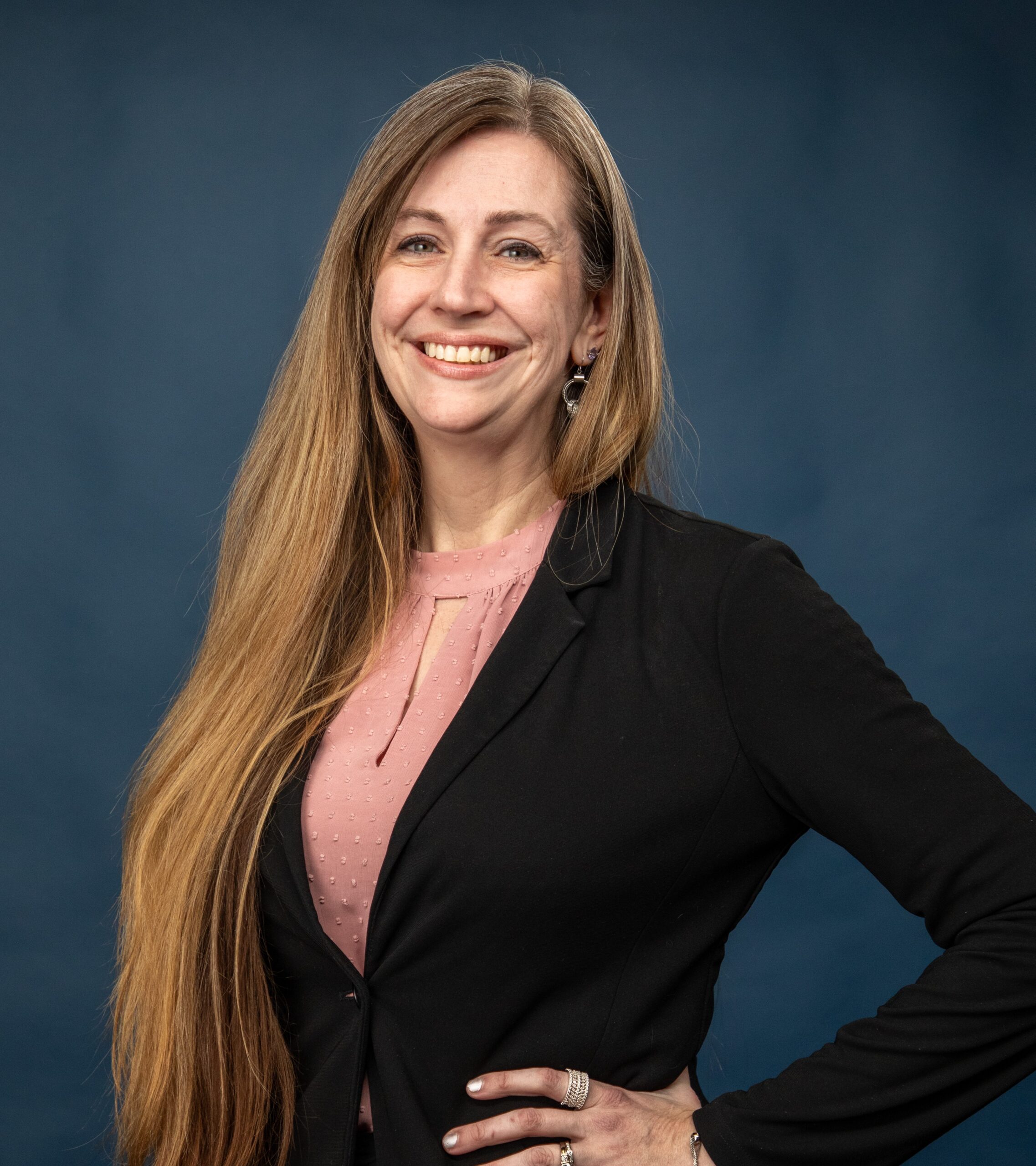
Beatrice Baribeau is the Assistant Chief Statistician of the Strategic Data Management, Methods and Analysis Field at Statistics Canada. She has over 20 years of experience at the Agency with an expertise in statistical and survey methodology. She is a leader that brings a collaborative approach to advancing rigorous, modern approaches to official statistics.
Beatrice has led transformative projects within Statistics Canada such as the Methodological Acceleration Initiatives and as co-lead of AI Adoption at the Agency. Her work focuses on strengthening statistical quality, integrating innovative methods responsibly, and ensuring that new approaches enhance both efficiency and public trust.
Beatrice holds a BMath in Statistics Honours, from the University of Waterloo and is a Statistical Society of Canada P.Stat. accredited member. She contributes actively to the national and international statistical community through her affiliations and committee membership within the Statistical Society of Canada, the American Statistical Association, and the International Association for Official Statistics
Rob Deardon

Term: July 1, 2026 – June 30, 2029
Rob Deardon is a Professor of Biostatistics with a joint appointment in the Faculty of Veterinary Medicine and the Department of Mathematics & Statistics at the University of Calgary, whose recent work has focused primarily on infectious disease modelling, especially individual-level models such as spatial models, and disease models that incorporate the effect of population behaviour change. His interests also span Bayesian and computational statistics, disease surveillance methods, spatio-temporal modelling, statistical learning, and experimental design. He has supervised over 70 trainees at all levels and has published more than 90 papers in peer-reviewed journals. He has also served as an Associate Editor for several journals, including Biometrics, the Journal of the Royal Statistical Society (Series C), and the Canadian Journal of Statistics. He served a two-year term as the Chair of the Statistics subgroup of the NSERC Mathematics and Statistics Discovery Grant Evaluation Group, and is currently serving as President of the Statistical Society of Canada.
Amy Braverman
July 1, 2026 – June 30, 2029
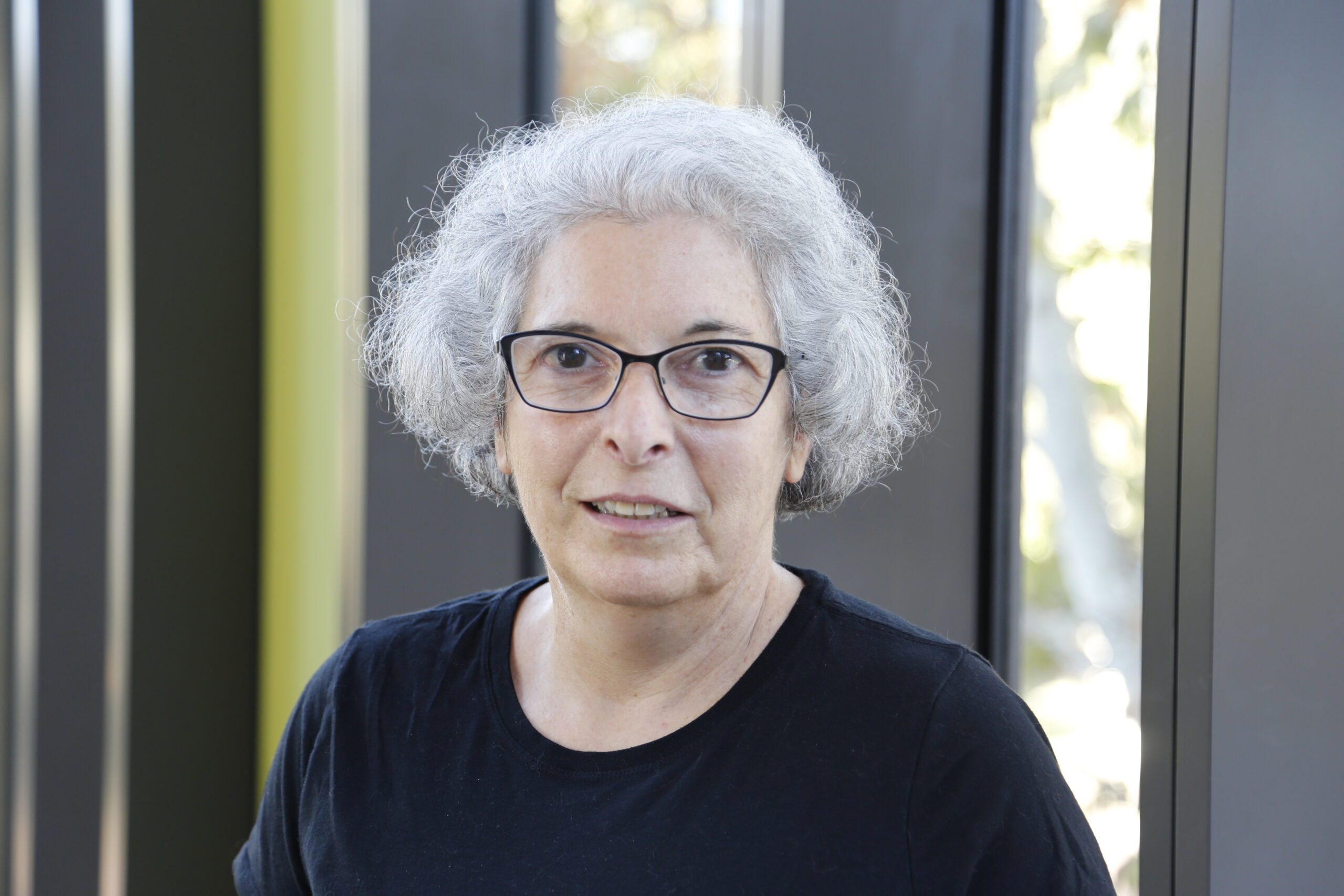
Dr. Amy Braverman is a Senior Research Scientist at the Jet Propulsion Laboratory, California Institute of Technology, in Pasadena, CA (JPL). She is the Technical Group Lead for Statistical Methods and Applications in the Uncertainty Quantification and Statistical Analysis Group. That group resides in the newly formed Artificial Intelligence and Data Science Section.
After graduating from Swarthmore College in 1982 with a B.A. in Economics, Dr. Braverman worked for nearly a decade in litigation support consulting. She returned to graduate school at UCLA in the early 1990s where she earned an M.A. in Mathematics and Ph.D. in Statistics. She began her statistics career as a Caltech Postdoctoral Scholar at JPL in 1999 and has been with the Lab ever since. Dr. Braverman’s early work was in the use of data compression methods for analysis of massive data sets. As her career advanced she has worked in spatial and spatio-temporal statistics, in statistical methods for the evaluation of climate models, and most recently in Uncertainty Quantification (UQ). Amy Braverman has been at the forefront of JPL’s efforts to bring rigorous UQ to the derivation of geophysical information from remote sensing observations collected by NASA and JPL instruments. She believes that this challenge is best met by forming intimate collaborations with academic and other members of the statistics community to create a virtuous cycle in which modern problems in data science are fed to graduate students and faculty to stimulate new research, and the
fruits of that research are fed back to NASA and JPL.
In recognition of these efforts, Dr. Braverman was the recipient of the 2021 NASA
Exceptional Public Service Medal and the American Statistical Association’s 2026
Karl E. Peace Prize for Outstanding Contributions to Statistics for the Betterment of Society. Dr. Braverman is a Fellow of the American Statistical Association and the Chair-Elect for its Uncertainty Quantification Interest Group. Previously she was the Chair of the SIAM Uncertainty Quantification Activity Group, and in that capacity focused on uniting statistical and applied mathematical approaches to uncertainty quantification. Dr. Braverman finds special satisfaction in mentoring post-docs and young researchers to build capability in Statistics at JPL, and in collaborating with academic colleagues to connect their research, and that of their graduate students, to JPL and NASA problems.
Thierry Chekouo
July 1, 2026 – June 30, 2029
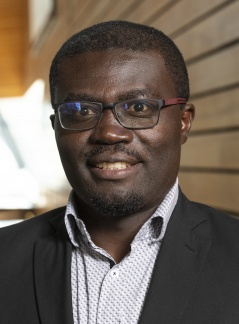
Dr. Thierry Chekouo is an Associate Professor and Medtronic Faculty Fellow in the Division of Biostatistics & Health Data Science at the University of Minnesota School of Public Health. He received his PhD in Statistics from the Université de Montréal in 2013, following advanced degrees in mathematics and statistics from the Université de Yaoundé I in Cameroon and ENSEA in Côte d’Ivoire. Dr. Chekouo’s research focuses on innovative Bayesian methodologies and statistical learning frameworks to analyze high-dimensional biomedical data.
Dr. Chekouo’s professional service includes serving on grant review panels for the National Institutes of Health (NIH) and the Natural Sciences and Engineering Research Council of Canada (NSERC). He has been the Chair of the Bilingualism Committee for the Statistical Society of Canada (SSC) for many years and is an active member of the SSC and the American Statistical Association (ASA).
Timothy A. Thornton
July 1, 2026 – June 30, 2029
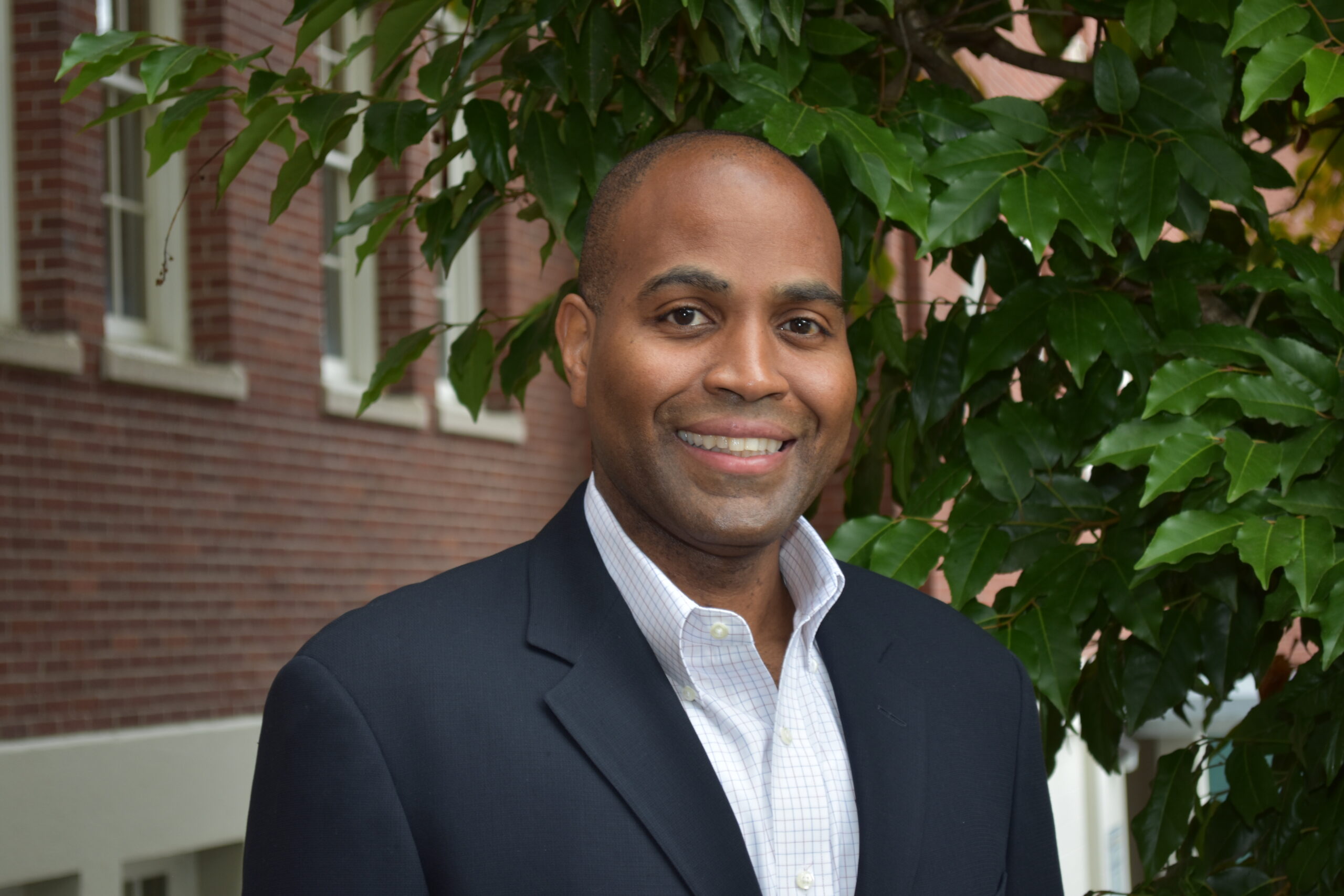
Timothy A. Thornton, PhD is a Clinical Professor of Biostatistics at the University of Washington School of Public Health, where he also serves as a Co-Investigator at the Genetic Analysis Center. His research focuses on statistical genetics, with an emphasis on developing statistical methodology for genetic association studies of complex traits in samples involving relatedness, ancestry admixture, and population structure. He holds a BS in Mathematics from Hampton University and a PhD in Statistics from the University of Chicago. Dr. Thornton has also served as Graduate Program Director for the UW Biostatistics department and as an Associate Department Chair.
His work has garnered significant attention for its implications on health equity and personalized medicine. He has been featured in UW News and MyNorthwest for his insights on how genetic ancestry can affect responses to medical treatments and its potential to narrow racial disparities in healthcare. His research on ancestry-specific genetic variation at the APOE gene — exploring how the key Alzheimer’s gene acts differently in non-European populations — was highlighted by both the UW School of Public Health and the UW Medicine Newsroom, underscoring the broader clinical relevance of his statistical genetics research.
Scientific Advisory Committee
This committee adjudicates competitions for Collaborative Research Team projects, major workshops and conferences, and makes funding recommendations to the Board.
Chaired by the Director of CANSSI, this committee consists of nine prominent statistical scientists, typically from outside Canada.
Members include:
Jay Breidt
Term: January 2026–December 2028
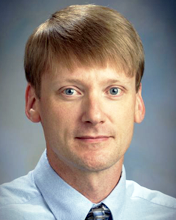
Jay Breidt is a Senior Fellow in the Department of Statistics and Data Science at NORC at the University of Chicago. He is also Professor Emeritus and past Chair of the Department of Statistics at Colorado State University. His expertise is mathematical statistics, with interests that include survey sampling, time series, nonparametric regression, and uncertainty quantification for complex scientific models.
Breidt received his PhD at Colorado State University in 1991 and spent the first nine years of his career at Iowa State University as an assistant professor and tenured associate professor, before returning to Colorado State in 2000.
Breidt has an extensive record of refereed publications. He has presented over 130 invited short courses, conference talks, and academic seminars. Breidt has been an associate editor for seven different journals and Reviews Editor for the Journal of the American Statistical Association and The American Statistician. He has served on six review committees for the National Academy of Sciences. He is past Chair of the American Statistical Association National Committee on Energy Statistics (an advisory panel for the Energy Information Administration, US Department of Energy), has served two terms on the Federal Economic Statistics Advisory Committee, and currently chairs the Census Scientific Advisory Committee for the US Census Bureau.
Breidt has received numerous honors, including recognition with a national prize in environmental statistics, elected membership in the International Statistical Institute, and elected fellowship in both the American Statistical Association and the Institute of Mathematical Statistics.
Peter Craigmile
Term: January 2026–December 2028
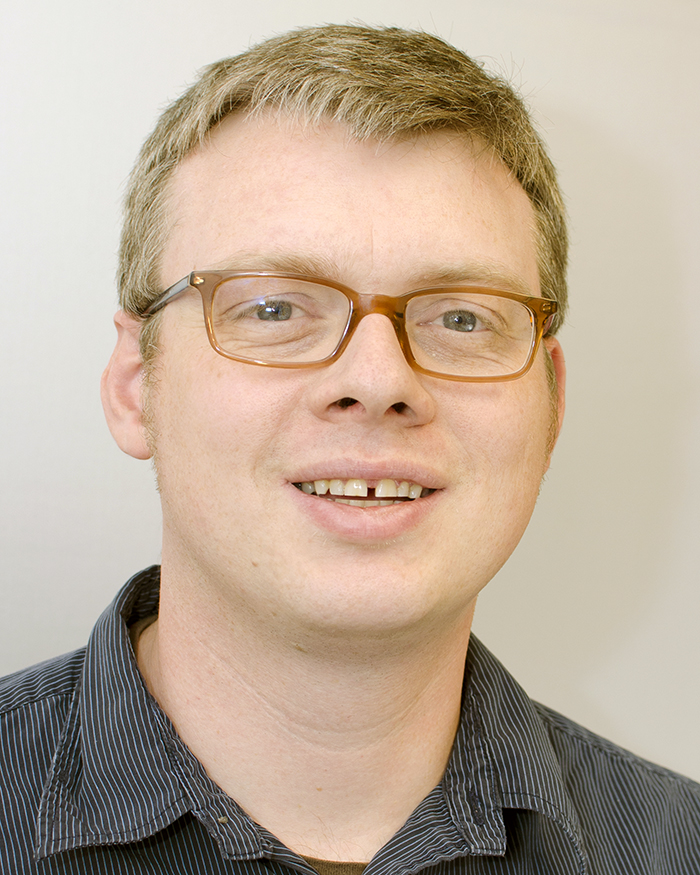
Peter Craigmile is a Professor in the Department of Mathematics and Statistics at Hunter College, The City University of New York (CUNY). He also serves as an Honorary Research Fellow in the School of Mathematics and Statistics, University of Glasgow, Scotland. He was previously a Professor in the Department of Statistics at The Ohio State University.
His research interests include time series analysis, spatial statistics, space-time modeling, and longitudinal methods. He is interested in the use of spectral and wavelet methods to investigate dependency structures and to analyze periodicities and trends. One application of this is to the study of long memory processes. In collaboration with others, he has developed methods for spatial exceedances and extremes, which are critical to assessing spatially varying risk of environmental change or disease. He enjoys application-oriented research in areas such as Biology, Climatology, Environmental Sciences, Public Health, and Psychology.
Professor Craigmile is a fellow of the American Statistical Association, the Institute of Mathematical Statistics, and The Royal Statistical Society.
Sandrine Dudoit

Term: January 2024–December 2026
Sandrine Dudoit is Associate Dean for the Faculty and Research in the College of Computing, Data Science, and Society, Professor in the Department of Statistics, and Professor in the Division of Biostatistics, School of Public Health, at the University of California (UC), Berkeley. She was Chair of the Department of Statistics at UC Berkeley from July 2019 to June 2022. Professor Dudoit’s methodological research interests regard high-dimensional statistical learning and include exploratory data analysis (EDA), visualization, loss-based estimation with cross-validation (e.g., density estimation, classification, regression, model selection), and multiple hypothesis testing. Much of her methodological work is motivated by statistical questions arising in biological research and, in particular, the design and analysis of high-throughput sequencing studies, e.g., single-cell transcriptome sequencing (RNA-Seq) for discovering novel cell types and for the study of stem cell differentiation. Her contributions include: exploratory data analysis, normalization and expression quantitation, differential expression analysis, class discovery and prediction, inference of cell lineages, and the integration of biological annotation metadata (e.g., Gene Ontology (GO) annotation). She is also interested in statistical computing and, in particular, computationally reproducible research. She is a founding core developer of the Bioconductor Project, an open-source and open-development software project for the analysis of biomedical and genomic data.
Professor Dudoit is a co-author of the book Multiple Testing Procedures with Applications to Genomics and a co-editor of the book Bioinformatics and Computational Biology Solutions Using R and Bioconductor. She is Associate Editor of three journals, including The Annals of Applied Statistics and IEEE/ACM Transactions on Computational Biology and Bioinformatics. Professor Dudoit was named Fellow of the American Statistical Association (2010), Elected Member of the International Statistical Institute (2014), and Fellow of the Institute of Mathematical Statistics (2021).
Professor Dudoit obtained a Bachelor’s degree (1992) and a Master’s degree (1994) in Mathematics from Carleton University, Ottawa, Canada. She first came to UC Berkeley as a graduate student and earned a PhD degree in 1999 from the Department of Statistics. Her doctoral research, under the supervision of Professor Terence P. Speed, concerned the linkage analysis of complex human traits. From 1999 to 2000, she was a postdoctoral fellow at the Mathematical Sciences Research Institute, Berkeley. Before joining the Faculty at UC Berkeley in July 2001, she underwent two years of postdoctoral training in genomics in the laboratory of Professor Patrick O. Brown, Department of Biochemistry, Stanford University. Her work in the Brown Lab involved the development and application of statistical methods and software for the analysis of microarray gene expression data.
Donald Estep
Committee Chair
Donald Estep is the Director of CANSSI. He joined the Department of Statistics and Actuarial Science as Canada Research Chair in Computational Probability and Uncertainty Quantification at Simon Fraser University. He moved from the Department of Statistics at Colorado State University, where he was Department Chair, University Distinguished Professor and University Interdisciplinary Research Scholar.
His research interests include uncertainty quantification for complex physics models, stochastic inverse problems, adaptive computation, and modeling of multiscale systems. Working with his collaborators, he has developed a systematic approach to a posteriori error estimation for simulations of complex systems, efficient numerical methods for uncertainty quantification for physical models, and theory and solution of inverse problems for stochastic parameters in physical models.
His application interests include ecology, materials science, detection of black holes, modeling of fusion reaction, analysis of nuclear fuels, hurricane wave forecasting, flow in porous media, and electromagnetic scattering. His research has been supported by multiple government agencies and national laboratories.
Don has served on several scientific advisory panels for the U.S. National Science Foundation and Department of Energy and on the Sandia National Laboratories CISE External Review Board and has co-authored several reports. He has served as the (founding) Chair of the SIAM Activity Group on Uncertainty Quantification, (founding) Co-Editor in Chief of the SIAM/ASA Journal on Uncertainty Quantification, and as SIAM representative to the Governing Board of SAMSI.
His awards include Fellow of the Society for Industrial and Applied Mathematics, the Computational and Mathematical Methods in Sciences and Engineering (CMMSE) Prize, and the Chalmers Jubilee Professorship of Chalmers University of Technology.
Sara Lodi
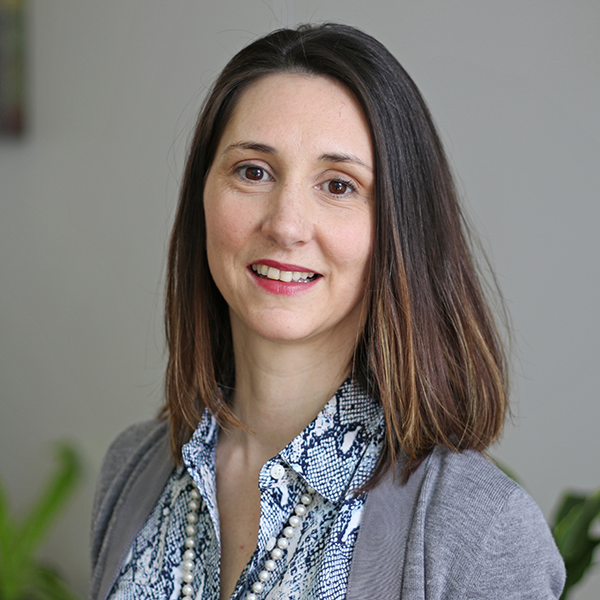
Term: January 2025–December 2027
Sara Lodi is an Associate Professor of Biostatistics at the Boston University School of Public Heath. She obtained her PhD in Medical Statistics at the London School of Hygiene and Tropical Medicine, United Kingdom, in 2009. Her research focuses on causal inference methods for observational studies using big data, methods for causal inference to improve the statistical analysis of clinical trials, and the reconciliation of results from clinical trials and observational studies. She leads cutting-edge research that focuses on the translation of methodologic advancements in causal inference into actionable findings for real-world public health research questions, mainly in the areas of infectious diseases (HIV, hepatitis C, tuberculosis) and substance use disorder. She has published many articles on behalf of large international collaborations of HIV cohorts such as CASCADE, COHERE and the HIV-CAUSAL, and HepCAUSAL collaborations.
J. Sunil Rao
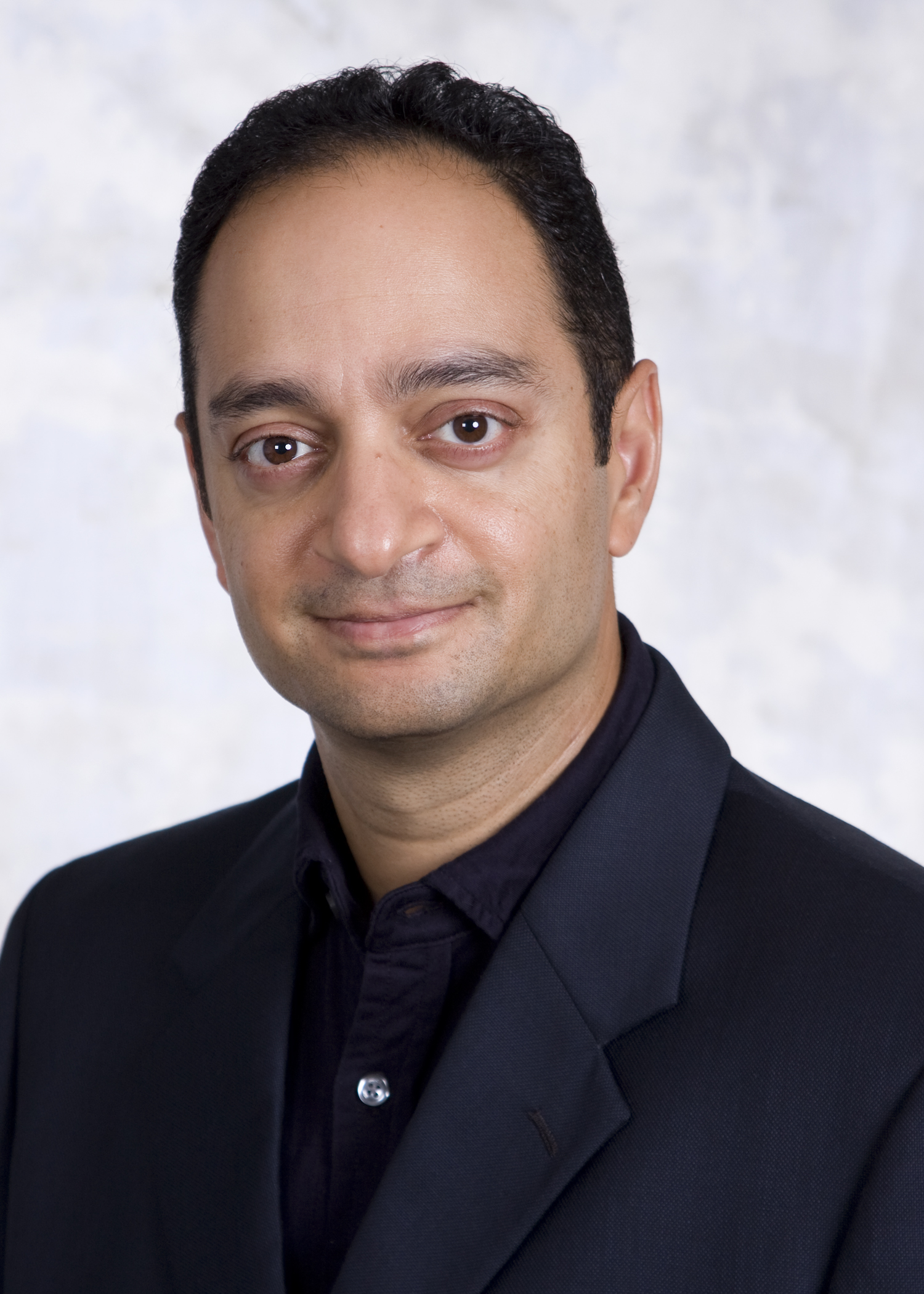
Term: January 2024–December 2026
J. Sunil Rao has been Professor in the Division of Biostatistics at the University of Minnesota and Director of Biostatistics at the University of Minnesota Masonic Comprehensive Cancer Center since January 1, 2023. From 2010 to 2022, he was the Director of the Division of Biostatistics in the Department of Public Health Sciences at the University of Miami, Miller School of Medicine. From June 2016 to December 2019, he was the Interim Chair of the Department of Public Health Sciences.
From 1998 to 2010, he was in the Department of Epidemiology and Biostatistics at Case Western Reserve University School of Medicine, where he rose to Full Professor. For the last five of those years, he was Director of the Division of Biostatistics. From 1994 to 1998, he was on faculty in the Department of Biostatistics at the Cleveland Clinic Foundation.
He graduated from the University of Toronto in 1994 with a PhD in Biostatistics under the guidance of Rob Tibshirani. In 1991, he received an MS degree in Biostatistics from the University of Minnesota, and in 1989 he received a BSc from the University of Ottawa with a double major in Biology and Biochemistry. He is a Fellow of the American Statistical Association (2011), Elected Member of the International Statistical Institute (2016), a Fellow of the Institute of Mathematical Statistics (2024), and an Honorary Member of the Society of Statistics, Computer and Applications (2024).
Christopher Wikle

Term: January 2025–December 2027
Christopher K. Wikle is Curators’ Distinguished Professor of Statistics at the University of Missouri (MU), with additional appointments in Soil, Environmental and Atmospheric Sciences and the Truman School of Public Affairs. He is also the inaugural Director of the Center for Spatio-Temporal Statistics and AI at MU. He received a PhD co-major in Statistics and Atmospheric Science in 1996 from Iowa State University. He was a research fellow at the National Center for Atmospheric Research from 1996 to 1998, after which he joined the MU Department of Statistics.
His research interests are in spatial and spatio-temporal statistics applied to environmental, ecological, geophysical, agricultural and federal survey applications, with particular interest in dynamics. His work has been concerned with formulating computationally efficient deep hierarchical Bayesian models motivated by scientific principles, with more recent work at the interface of deep neural models in machine learning.
Awards include Fellow of the American Association for the Advancement of Science (AAAS), Fellow of the American Statistical Association (ASA) and Institute of Mathematical Statistics (IMS), elected Fellow of the International Statistical Institute (ISI), Distinguished Alumni Award from the College of Liberal Arts and Sciences at Iowa State University, ASA Environmental (ENVR) Section Distinguished Achievement Award, co-awardee 2017 ASA Statistical Partnership Among Academe, Industry, and Government (SPAIG) Award, the MU Chancellor’s Award for Outstanding Research and Creative Activity in the Physical and Mathematical Sciences, the Outstanding Graduate Faculty Award, and Outstanding Undergraduate Research Mentor Award. His book Statistics for Spatio-Temporal Data (co-authored with Noel Cressie) was the 2011 PROSE Award winner for excellence in the Mathematics Category by the Association of American Publishers and the 2013 DeGroot Prize winner from the International Society for Bayesian Analysis. His latest book, Spatio-Temporal Statistics with R, with Andrew Zammit-Mangion and Noel Cressie, was published in 2019 and won the 2019 Taylor and Francis award for Outstanding Reference/Monograph in the Science and Medicine category. Dr. Wikle is Associate Editor for several journals and is an inaugural member of the Statistics Board of Reviewing Editors for Science.
Alyson Wilson
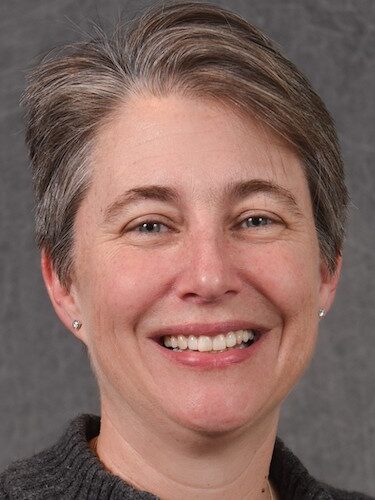
Term: January 2024–December 2026
Dr. Alyson Wilson is the Senior Associate Vice Chancellor for Research at North Carolina State University. She is also a professor in the Department of Statistics and Principal Investigator for the Laboratory for Analytic Sciences. She is a Fellow of the American Statistical Association and the American Association for the Advancement of Science. Her research interests include statistical reliability, Bayesian methods, and the application of statistics to problems in defense and national security.
Prior to joining NC State, Dr. Wilson was a jointly appointed research staff member at the IDA Science and Technology Policy Institute and Systems and Analyses Center (2011–2013); associate professor in the Department of Statistics at Iowa State University (2008–2011); Scientist 5 and technical lead for Department of Defense Programs in the Statistical Sciences Group at Los Alamos National Laboratory (1999–2008); and senior statistician and operations research analyst with Cowboy Programming Resources (1995–1999).
Dr. Wilson is currently serving on the National Academy of Sciences Committee on Applied and Theoretical Statistics and as Chair of the Board of Trustees for the National Institute of Statistical Sciences. She is an elected member of the International Statistical Institute and a member of the NC State Research Leadership Academy. She is the former Reviews Editor for the Journal of the American Statistical Association and the American Statistician and a founder and past-chair of the American Statistical Association’s Section on Statistics in Defense and National Security.
Shu Yang
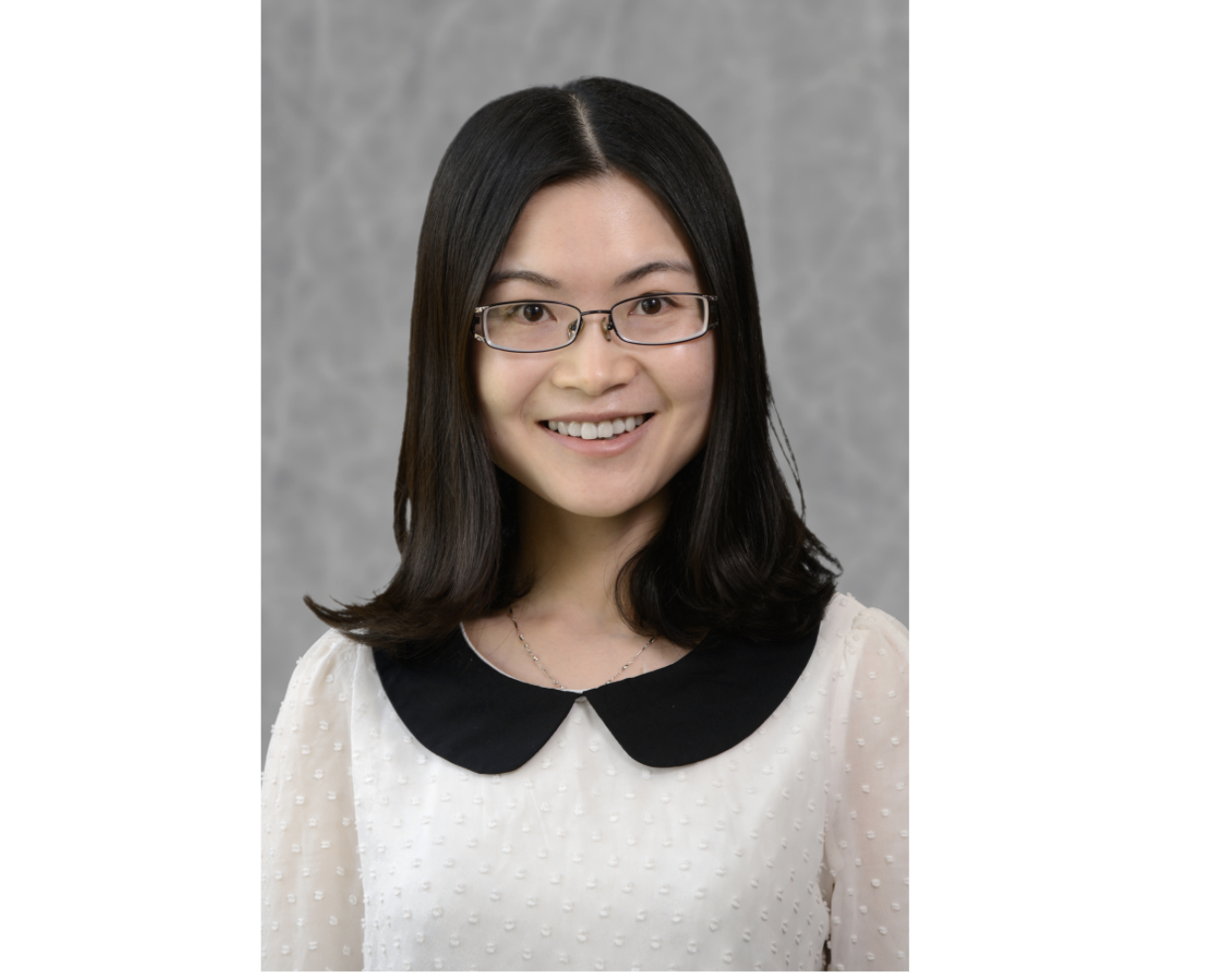
Term: January 2025–December 2027
Shu Yang graduated from Iowa State University in 2014 with a major in Mathematics and a co-major in Statistics, working with J.K. Kim and Z. Zhu. After graduation, she joined the Harvard TH Chan School of Public Health as a postdoc with Judith Lok. She then joined North Carolina State University as a faculty member in 2016. She was promoted to Associate Professor in 2021 and became a Goodnight Early Career Innovator and a University Faculty Scholar in the same year.
Research interests:
- Survey sampling and methodology
- Missing data analysis and imputation methods
- Causal inference from longitudinal observational data
- Semiparametric efficient estimation
- Spatial data analysis, nonstationary process and spectral methods
- Individual treatment regime learning, data integration and fusion methods
In 2024, she was a recipient of the Committee of Presidents of Statistical Societies (COPSS) Emerging Leader Award.
Jane-Ling Wang
Term: January 2026–December 2029
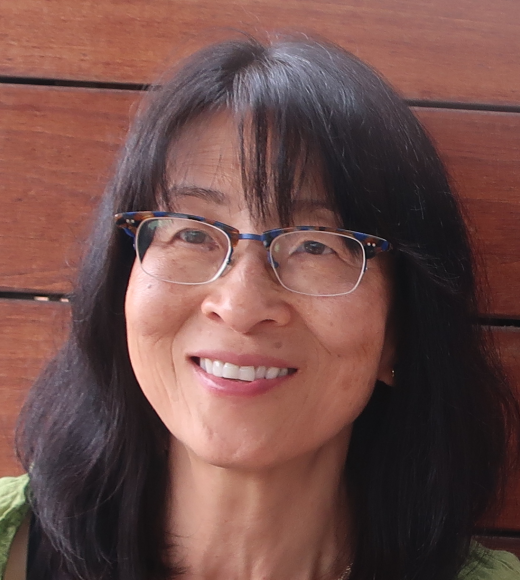
Dr. Jane-Ling Wang is a distinguished statistician whose contributions have significantly advanced the fields of survival analysis, functional data analysis, longitudinal data analysis, neuroimaging, dimension reduction, and statistical machine learning. She earned a Bachelor of Science in Mathematics from the National Taiwan University and a Ph.D. in Statistics from the University of California, Berkeley, where she studied under renowned statisticians Jack Kiefer and Lucien Le Cam.
Dr. Wang began her academic career as an Assistant Professor in the Department of Statistics and Actuarial Science at the University of Iowa before joining the University of California, Davis, where she has spent the majority of her distinguished career. She also served as an Associate Professor in the Department of Statistics at the Wharton School of the University of Pennsylvania.
Her research bridges both theoretical and applied statistics and is characterized by extensive interdisciplinary collaborations with biologists, demographers, medical doctors, neuroscientists, and sociologists. Over the course of her career, she has made influential contributions to survival analysis, functional and longitudinal data analysis, joint modeling of longitudinal and survival data, neuroimaging data analysis, and dimension reduction methods. More recently, she has pioneered the integration of deep learning and neural network methodologies into the analysis of survival and functional data.
Dr. Wang’s research group has played a leading role in the development of widely used statistical software. In functional data analysis, her team developed PACE, a MATLAB package, along with its companion R package, fdapace, both of which continue to be expanded and refined. Her research group has also developed the R package JSM for the joint modeling of survival and longitudinal data.
An award-winning educator, Dr. Wang emphasizes conceptual understanding, interpretation, and statistical thinking in her teaching. She believes the ultimate goal of education is to empower students to become independent learners and critical thinkers.
Dr. Wang’s achievements have earned her international recognition. She was elected an Academician of Academia Sinica in 2022, received the Humboldt Research Award in 2020, the International Chinese Statistical Association Distinguished Achievement Award in 2018, and the Gottfried E. Noether Senior Research Award in 2016. She was named Distinguished Professor of the University of California in 2013 and elected a Fellow of the American Association for the Advancement of Science in 2011. Her additional honors include delivering the Medallion Lecture of the Institute of Mathematical Statistics in 2007, election to the International Statistical Institute in 2001, and election as Fellow of both the American Statistical Association and the Institute of Mathematical Statistics in 1998.
Regional Directors
Regional Directors play an advisory and operational role related to CANSSI programs and activities in their region as well as seeking regional support and building relationships between CANSSI and regional research enterprises.
Members include:
Joanna Mills Flemming | Regional Director, CANSSI Atlantic

Regional Director, CANSSI Atlantic
Dalhousie University
joanna.flemming@dal.ca
Joanna Mills Flemming is an Associate Professor in the Department of Mathematics and Statistics at Dalhousie University. She is a member of the International Scientific Advisory Committee for the Ocean Tracking Network (OTN), the Data Management Committee for OTN, and the Ransom Myers Legacy Committee at Dalhousie University.
She is the team leader for the “Advancements to state-space models for fisheries science” Collaborative Research Team project. She is also the associate editor of the Canadian Journal of Statistics and is finishing her term as a regional representative on the SSC’s Board of Directors.
Joanna’s research interests centre on the development of statistical methodology for data exhibiting spatial and temporal dependencies with a particular interest in what is important for marine ecology, and more broadly, environmental science. She has also recently become interested in how statistics are being used to help solve problems in Biomedical Engineering.
Mohammad Jafari Jozani | Regional Director, CANSSI Prairies
Regional Director, CANSSI Prairies
University of Manitoba
M_Jafari_Jozani@umanitoba.ca
Mohammad Jafari Jozani is currently an Associate Professor with the Department of Statistics and an adjunct professor of Biomedical Engineering at the University of Manitoba in Winnipeg.
His current research involves statistical learning problems with high dimensional aspects in biostatistics, engineering and sustainable energy; small area estimation as well as statistical inference with complex sampling designs using order statistics and rank information. The focal point of his research program is on developing new methodologies, models and computational tools to solve data driven problems in a variety of application domains.
He has applied his research in areas such as breast cancer studies, BMD analysis and osteoporosis, mercury contamination in fish bodies, and recently in the calibration problems to design simulators for training purposes in order to make surgeries safer.
Mélina Mailhot | Regional Director, CANSSI Québec
Regional Director, CANSSI Québec
Concordia University
melina.mailhot@concordia.ca
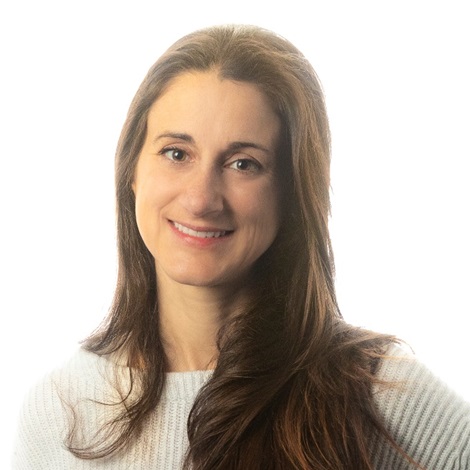
Mélina Mailhot is an Associate Professor in the Department of Mathematics and Statistics at Concordia University. She joined the department after completing her PhD at Laval University in 2012 and teaches courses covering mathematics of finance, loss models, investment mathematics, risk theory, and risk measures.
She lists actuarial science, risk theory, dependence modelling, risk measures, and optimization among her research interests and states that her research focuses on the development and analysis of multivariate dependence structures and measures. Risks considered are related to insurable property and casualty perils.
Lisa J. Strug | Regional Director, CANSSI Ontario
Regional Director, CANSSI Ontario
University of Toronto
lisa.strug@utoronto.ca
Lisa J. Strug is a Senior Scientist at the Research Institute of The Hospital for Sick Children and is an Associate Professor in the Department of Statistical Sciences and the Division of Biostatistics at the University of Toronto.
She is the Associate Director of The Centre for Applied Genomics, a federally funded Toronto-based genome centre and one of three centres contributing to a national platform providing genome sequencing and analysis services in Canada and Internationally. Her research has focused on statistical genetics and genomics, on the foundations of statistics and on their intersection.
She is the associate editor and statistical genetics editor of npj Genomic Medicine and is the Tier 1 Canada Research Chair in Genome Data Sciences.
Our Admin Team
Can’t find who you’re looking for?
We can help.